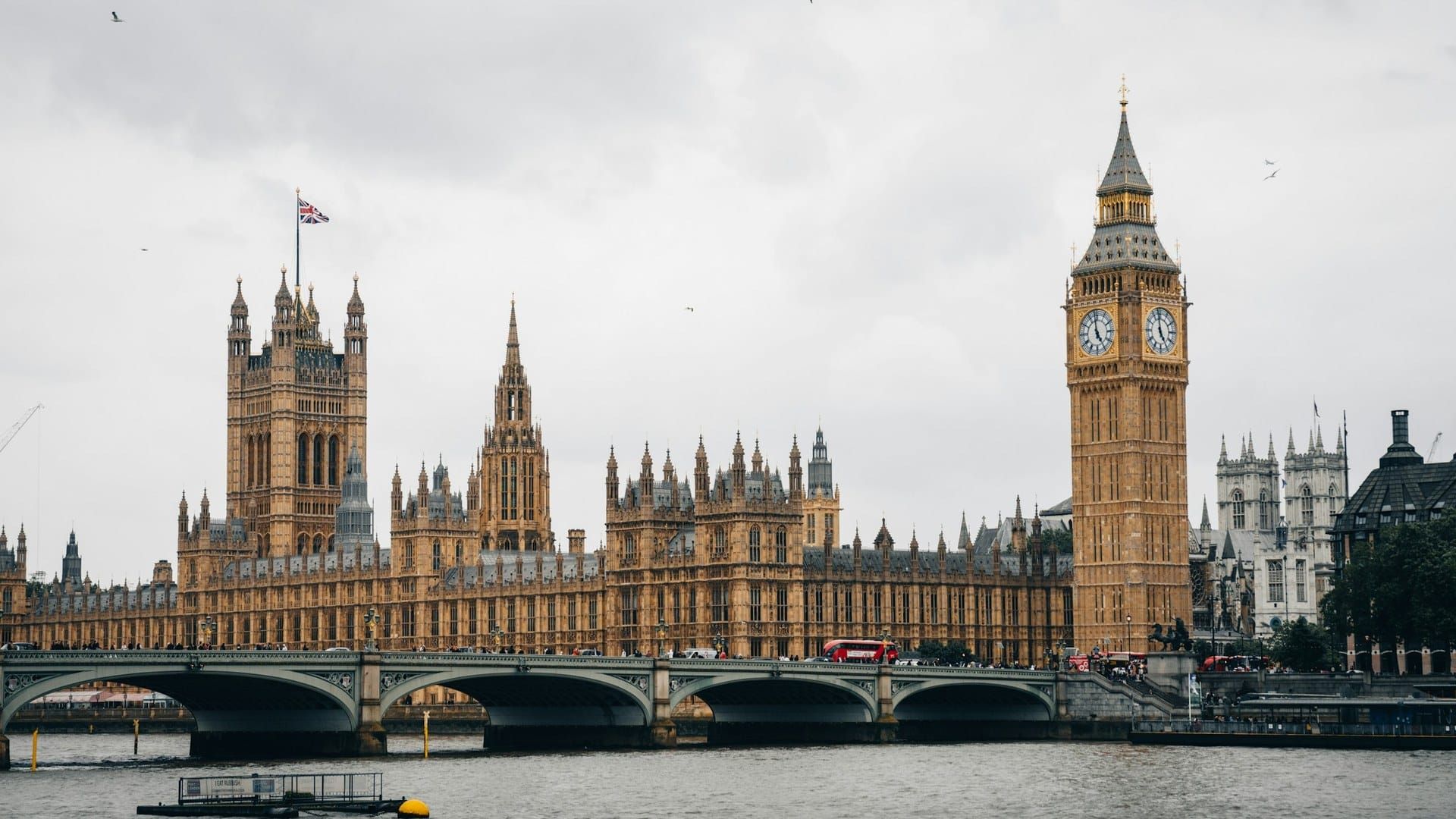
In May 2021, Queen Elizabeth II delivered the Queen's Speech inside the Houses of Parliament. The official transcription process was expected to take days. Professor Chris Imafidon opened his laptop, turned on Fireflies, and had the transcript within minutes — not just a transcript, but searchable audio, chapter markers, timestamps, and notes from one of the most important speeches in British public life.
He shared it with journalists. Some thought he had received an advance copy. "I couldn't have gotten an advance copy," he said. "Those responses were spontaneous."
The story spread through Westminster. According to Professor Imafidon, it became "literally a national conversation in the UK." Word eventually reached Buckingham Palace, where the Queen reportedly received a transcript of her own speech before she had even left the building. Her response:
"How is that even possible?"
For Professor Imafidon, that moment was bigger than transcription. It was, he said, "more exciting than putting a man on the moon."
The man who brought Fireflies into Parliament
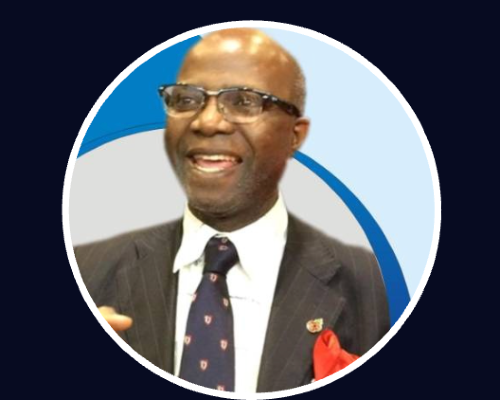
Professor Chris Imafidon is not a casual technology adopter. He has advised Parliament for 25 years, served as an official fundraiser for King Charles III's charitable initiative The King's Trust, co-chaired HM Queen Elizabeth II's Platinum Jubilee STEM Committee, and lectured during King Charles III's Coronation Lecture Series. He has worked with royal initiatives connected to Queen Elizabeth II, King Charles III, and Princess Diana's charitable legacy.
So when he brought Fireflies into Parliament, people paid attention. This was not AI being tested in a lab. This was AI entering one of the oldest institutions in the world.
From days to minutes
For centuries, parliamentary proceedings have relied on traditional transcription systems. Debates, hearings, speeches, and official records were captured manually, reviewed, and published later. That process was built for another era.
Fireflies changed the speed. What used to take days could now happen in minutes. The transcript was searchable. The audio was timestamped. The notes were ready almost instantly. Journalists could move faster. Parliamentary teams could review details faster. People could find the exact moment they needed without digging through hours of recordings.
The question started to shift — not "Can AI do this?" but "How soon can we use this everywhere?"
Beyond Parliament: access and justice
For Professor Imafidon, Fireflies is not just about saving time. It is about access. It is about justice. It is about giving people records they should already have.
One issue he is focused on is court transcripts for victims of sexual assault. In some cases, victims may be charged as much as £22,000 to receive a manual transcript of their own hearing — a hearing they were present for, about crimes committed against them. Some cannot afford it. Some never receive the transcript. Some are left without the record they need to process what happened.
"Fireflies is not about a cosmetic problem," he says. "It's a life-changing, life-defining problem. Fireflies is coming to save lives."
He believes AI transcription can remove a barrier that should never have existed. The same technology that captured the Queen's Speech in minutes can help ordinary people access the truth in moments that matter most.
Education and the Princess Diana book
Before Parliament, Professor Imafidon used Fireflies in the classroom. His goal was simple: stop forcing students to choose between listening and writing. "We speak four to five times faster than we write," he points out. When students stopped trying to capture every word manually, they could pay attention. According to Professor Imafidon, student performance increased by 200% across his courses and colleagues.
Fireflies adapted to his accent, terminology, and subject matter. Five minutes after a lecture ended, students had the transcript — chaptered, indexed, searchable, ready to study.
He used Fireflies again to produce a royal biography about Princess Diana's charitable legacy. A previous edition of the work had taken four years. With Fireflies, this one took four weeks. He was so struck by the experience that he printed a declaration on the front cover: "1st royal biography authored by AI app [email protected]." The book went on to become a Wall Street bestseller, according to the publishers.
But he is clear about what AI did and did not do. "This book was not written by me," he says. "I project managed this book. It was my idea to write it, but I did not write one single word."
AI means Achieving Impossibilities
Professor Imafidon does not like the phrase "artificial intelligence." "When you say artificial intelligence, it means fake intelligence," he says. "I know the impact on me is real. I cannot bring myself to call it artificial."
To him, AI means something else: Achieving Impossibilities. Not a note-taking app, but a tool that makes previously impossible work possible — transcribing royal speeches in minutes, helping Parliament move faster, giving students better access to knowledge, helping victims access court records.
At the end of his conversation with the Fireflies team, Professor Imafidon moved past Parliament, royalty, education, and productivity. He talked about people.
"You don't know how much you mean to humanity. Not just people in power, but the people that are powerless. You reach places where other governments cannot. You are more than an app. You are a lifesaver."
His message to anyone still resisting AI: use these tools to help, not hinder. Use them to empower each other. Use them to express your genius.
Fireflies helps teams, institutions, and governments capture, transcribe, search, and act on the conversations that shape their work. Start free at fireflies.ai.